The Beginner-Friendly Guide to Fotona Laser Treatments
If you have been researching skin rejuvenation, acne scar treatments, or non-surgical tightening, chances are you have come across Fotona Laser Treatments. The name appears often in dermatology and aesthetic clinics, yet many first-time patients still are not quite sure what it actually means. Is it one treatment? Is it a brand? Is it painful? Is it worth the cost? Those are sensible questions, and the answers are more nuanced than most marketing pages make them sound.
Fotona is a laser platform used for a range of aesthetic and medical procedures. That range is exactly why beginners can feel overwhelmed. One clinic may promote Fotona for resurfacing and pigmentation, another for vaginal health, another for snoring, and another for skin tightening with almost no downtime. The broad use does not mean the technology is vague or interchangeable. It means the system includes different laser modes that can be adjusted for different tissue depths, concerns, and recovery profiles.
For a first-timer, the most useful way to understand Fotona is not by memorizing model names or technical settings. It is by learning what kinds of results it can realistically produce, who tends to do well with it, what treatment feels like, and what trade-offs come with choosing it over other lasers or energy devices. That is where good decision-making starts.
What Fotona actually is
Fotona is a laser technology platform, not a single one-size-fits-all procedure. Many practices use Fotona systems because they can perform several categories of treatment with the same core device. Depending on the handpiece, wavelength, and settings, a provider may use it to target surface texture, deeper collagen remodeling, vascular issues, pigmented lesions, acne, scars, fine lines, or tissue tightening.
Two laser wavelengths are commonly associated with Fotona systems, Er:YAG and Nd:YAG. You do not need to become a laser physicist to understand the practical difference, but it helps to know the basic idea. Er:YAG is often used more superficially and precisely, especially when the goal involves resurfacing, improving texture, or removing very thin layers of damaged skin. Nd:YAG tends to reach deeper and is often used when providers want to heat tissue below the surface for tightening, vascular work, or collagen stimulation without aggressively injuring the top layer of skin.
That distinction matters because it shapes both results and downtime. A treatment that mainly heats the deeper layers may leave you pink for a day or two. A treatment that resurfaces the outer layer can bring more peeling, crusting, or social downtime. When someone says they had a Fotona treatment and loved it, the obvious follow-up question is, which one?
Why people choose Fotona over other devices
Patients are usually drawn to Fotona Laser Treatments for one of three reasons. First, they want noticeable improvement without surgery. Second, they want a custom treatment plan rather than an off-the-shelf facial. Third, they have heard the phrase “minimal downtime” and hope it means they can look fresher without disappearing from public life for two weeks.
In practice, Fotona appeals to a wide spectrum of patients because it can be adjusted from very gentle to quite intensive. Someone in their early thirties may use it preventively for collagen support and pore refinement. Someone in their fifties may use a more aggressive protocol for laxity, wrinkles, and textural aging. A person with acne scarring may need a completely different treatment style than someone dealing with diffuse redness or sun damage.
Clinics also like Fotona because a single platform can support combination treatments. That matters more than it sounds. Skin concerns rarely show up one at a time. A patient may have mild looseness around the jawline, acne scars on the cheeks, and uneven pigment from years of sun exposure. A device that can address more than one layer of tissue gives an experienced provider room to design a treatment that makes sense for the face as a whole.
The concerns Fotona is commonly used to treat
A beginner-friendly guide should be practical, so it helps to ground the technology in the reasons people actually book appointments. Fotona Laser Treatments are commonly used for concerns such as:
- fine lines and early wrinkles
- acne scars and general textural irregularities
- enlarged pores and uneven skin tone
- skin laxity in the face, neck, or around the eyes
- vascular redness, select pigmented spots, and some other superficial blemishes
That list sounds broad because it is. The important caveat is that not every Fotona mode treats every concern equally well. Pigment, for example, is not a single diagnosis. Freckles, melasma, post-inflammatory hyperpigmentation, and sun spots may all look like “brown spots” to a patient, yet they behave differently under laser treatment. Melasma in particular requires caution. An aggressive laser can make it worse if the skin is heat-sensitive and not carefully managed. This is one of those edge cases that separates a thoughtful consultation from a sales pitch.
How treatment plans are usually tailored
One of the most useful things to know before your consultation is that good laser medicine is rarely about the machine alone. It is about the match between the machine, the settings, the provider, and your skin.
A clinician should evaluate your skin type, degree of sun damage, acne history, scar type, tendency toward pigment changes, active medications, and tolerance for downtime. Skin type matters enormously. Darker skin tones can absolutely benefit from laser treatments, but they may require more conservative settings and more careful selection of approach to reduce the risk of post-inflammatory hyperpigmentation. If a provider brushes past this topic too quickly, that is a sign to slow down and ask more questions.
The treatment plan should also reflect your real life. I have seen patients ask for the “strongest” resurfacing option two days before a wedding, a major presentation, or family photos. That rarely ends well. Stronger treatment can produce stronger results, but it often comes with swelling, flaking, redness, and a few days when the skin looks worse before it looks better. The right plan is not the most intense one. It is the one that delivers meaningful improvement on a timeline you can genuinely manage.
What a Fotona session feels like
People tend to worry most about pain, and the honest answer is that sensation depends heavily on the protocol. Some Fotona Laser Treatments feel warm and prickly, with quick snaps against the skin. Others feel more like repeated heat buildup. Fractional or resurfacing settings can be uncomfortable enough that numbing cream is commonly used. Deeper tightening treatments often create a stronger heat sensation but not necessarily the same raw surface sting.
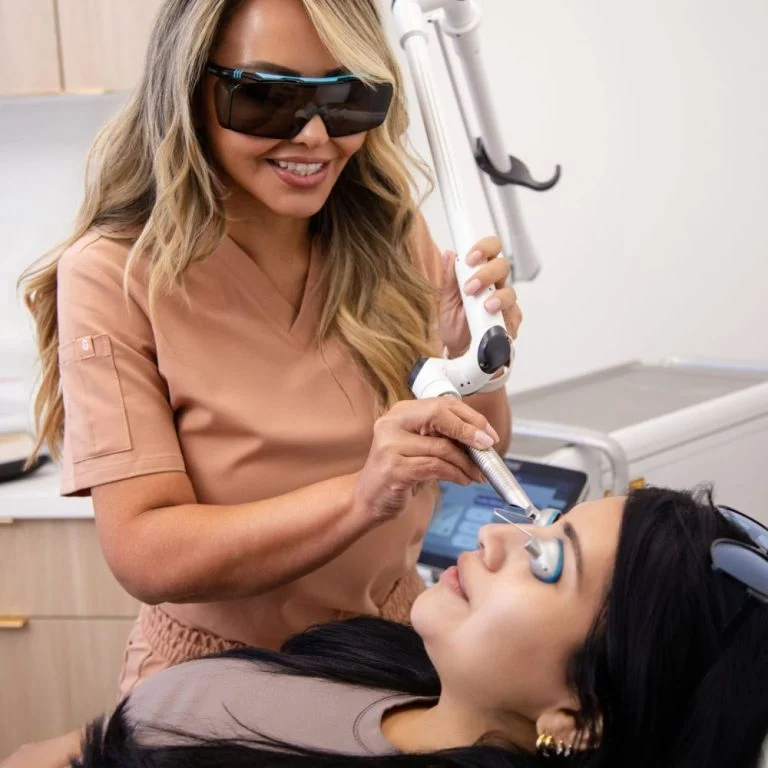
During treatment, the provider usually passes the handpiece across the skin in deliberate patterns. You may notice the smell of singed hair or skin debris in resurfacing sessions. That is normal in the laser setting, although it can surprise first-time patients. Protective eyewear is standard. Depending on the area treated, a session may take anywhere from fifteen minutes to over an hour.
Immediately afterward, your skin may look flushed and feel hot, similar to a brisk sunburn. With lighter treatments, that can settle within hours. With more aggressive resurfacing, you may see pinpoint bleeding, bronzing, roughness, or peeling over the next few days. People often underestimate how dry and tight the skin can feel during recovery. It is not necessarily dramatic, but it can be annoying if you were expecting a spa facial experience. Laser appointments are procedures, not pampering sessions, and they are best approached with that mindset.
Downtime, healing, and the reality behind “no downtime”
“No downtime” is one of the most overused phrases in aesthetics. Sometimes it means you can go back to work right away. Sometimes it means you technically can, but you may prefer not to because your face is quite red. The difference is not trivial.
Gentler Fotona treatments may leave you mildly pink for several hours to a day. You might feel dry, warm, or slightly swollen, but makeup can often cover the redness by the next day if your provider says it is safe to apply. More intensive resurfacing can require several days of visible healing. The skin may darken before it flakes. Tiny rough dots can appear in a fractional pattern. Swelling around the eyes is common when the periocular area is treated.
The healing window is not just cosmetic. Your skin barrier is temporarily compromised, which means aftercare matters. Heat exposure, vigorous exercise, direct sun, harsh actives, and picking at flaking skin can all interfere with recovery. Most problems I have seen after laser procedures have not come from the laser itself, but from poor candidate selection, unrealistic expectations, or impatient aftercare.
When results show up, and how long they last
Results depend on what you are treating. Redness can improve relatively quickly. Surface brightness and smoothness may become visible once the initial healing phase passes. Acne scar improvement and collagen remodeling often unfold more slowly over weeks to months. Skin tightening is rarely instant, even if you notice a mild early effect from temporary swelling. The more meaningful change usually develops gradually as collagen remodeling takes place.
That slower timeline frustrates some patients. They want to know after one session whether it worked. Sometimes you can tell early, sometimes you cannot. Acne scars are a classic example. Real improvement tends to build incrementally. A patient may look at themselves daily and feel underwhelmed, then compare photos from three months apart and https://www.google.com/maps?cid=15747598012322768060 realize the difference is substantial.
Longevity also varies. Maintenance is a normal part of aesthetic care. A resurfacing series may produce durable textural gains, especially for scars, but skin continues to age, move, and accumulate sun exposure. Tightening treatments can help, but they do not stop the clock. If anyone implies that one session will permanently reverse years of aging, be skeptical. A more credible answer is that results can last months to years depending on the concern treated, the protocol used, your age, your skin biology, and how well you protect your skin afterward.
The areas beyond the face that people often overlook
Most people first hear about Fotona for the face, but treatment areas often extend well beyond that. The neck, chest, hands, and periocular area are common requests because they tend to reveal age early and respond differently than the cheeks. The skin is thinner in some of these regions, more reactive in others, and often slower to heal than patients expect.
The neck is a good example. Patients frequently ask for facial rejuvenation while ignoring the neck, then wonder why the overall result still feels incomplete. Treating the face alone can improve skin quality, but the contrast between a refreshed face and a crepey neck may remain obvious. That does not mean every area should be treated at once. It means a thoughtful plan considers harmony, not just isolated fixes.
Fotona is also used in some practices for non-facial medical and intimate health applications. Those fall outside what many beginners initially picture when they hear “laser facial,” yet they are part of why the platform has such a broad reputation. If you are exploring one of those uses, the same principle applies: ask exactly which protocol is proposed, what evidence and experience support it, and what outcome is realistically expected.
How Fotona compares with other popular options
Patients rarely choose between Fotona and “doing nothing.” More often, they are comparing it with microneedling, radiofrequency microneedling, CO2 lasers, IPL, chemical peels, or injectable treatments.
Compared with microneedling, Fotona can be more versatile in the right hands, especially when resurfacing and deeper thermal effects are both desired. Microneedling may still be a better fit for some patients who want modest improvement with simpler recovery or lower cost. Compared with CO2 lasers, certain Fotona resurfacing treatments may offer a different balance of precision, healing, and risk, though the exact comparison depends on settings and goals rather than brand alone. Compared with IPL, Fotona is not simply a substitute. IPL excels in some cases of redness and sun damage, but it is not the same tool, and it interacts with skin differently.
A surprisingly common misconception is that lasers and injectables compete with each other directly. Often they do not. A laser addresses skin quality, tone, texture, and to some extent tightening. Neuromodulators relax dynamic wrinkles. Fillers restore volume. Someone with etched lines from sun damage and volume loss under the eyes may need a layered plan, not a single hero treatment.
Cost, value, and the question nobody likes to ask
Fotona Laser Treatments are usually not cheap, and pricing can vary dramatically by city, provider expertise, treatment area, and intensity. A light session may cost far less than a customized resurfacing plan over several visits. A full-face treatment differs from face and neck, and periocular work can be priced separately.
The more useful question is not “what is the cheapest Fotona treatment near me,” but “what am I paying for?” Part of the fee is the technology. A larger part should be clinical judgment, proper settings, safety protocols, and a provider who knows when not to overtreat. Bargain laser packages can become expensive if they deliver weak results or create problems that require correction later.
Value also depends on whether the treatment matches the concern. If a patient with deep static folds and significant skin laxity spends heavily on a series of mild tightening treatments, they may feel disappointed not because the technology is poor, but because the chosen endpoint was unrealistic. Laser treatments can improve many things impressively. They do not replace surgery when true excess skin is the main issue.
How to prepare so your skin behaves well
Preparation is less glamorous than treatment day, but it matters. Before booking, a clinic should review your medications, skin care, and recent sun exposure. The goal is to lower the risk of irritation, pigment problems, and delayed healing.
A sensible pre-treatment routine often includes:
- avoiding active tanning and minimizing sun exposure
- pausing irritating skin care such as retinoids, acids, or scrubs if your provider advises it
- disclosing any history of cold sores, pigment changes, poor wound healing, or isotretinoin use
- arriving with clean skin and no self-tanner on the treatment area
- planning your calendar so healing time does not collide with important events
This is also the stage where honesty helps. If you have a habit of picking at peeling skin, say so. If you run outdoors daily in midday sun, mention that too. Providers can work with real life. They cannot protect you from details they never knew.
Who may need extra caution, or a different treatment entirely
Not everyone is an ideal candidate at every moment. Active infection, very recent intense sun exposure, pregnancy in some clinics depending on policy and treatment type, certain medications, and uncontrolled skin disorders can all affect timing. A history of melasma, keloid scarring, or post-inflammatory hyperpigmentation does not automatically rule out treatment, but it raises the need for a more cautious strategy.
Skin tone deserves a second mention here because generic online advice often glosses over it. Darker skin can respond beautifully to the right laser plan, but it is less forgiving of heat injury and inflammation. That means the provider’s experience with diverse skin tones is not a nice extra. It is central. Ask how often they treat skin like yours, what settings philosophy they use, and how they reduce pigment risk.
Patients with rosacea, highly reactive skin, or a compromised skin barrier may also need a slower approach. Sometimes the best first step is not laser at all. It may be calming the skin, repairing the barrier, improving home care, and treating inflammation before adding an energy-based procedure. Sensible sequencing often produces better results than charging straight into treatment.
What a good consultation sounds like
You can learn a lot from the first appointment. A good consultation should feel specific, not scripted. The provider should ask what bothers you, what outcomes you want, what downtime you can tolerate, and whether you are open to a series rather than a single session. They should examine your skin in good light, discuss alternatives, and explain risks in plain language.
What you want to hear is not blind confidence. It is measured confidence. Statements like “this should soften the scars, but it will not erase them,” or “we can improve laxity modestly, though surgery gives a stronger lift,” are signs of professionalism. Overpromising is common in aesthetics because patients are hopeful and clinics are competitive. Clear limits are often a mark of honesty, not pessimism.
Ask for before-and-after photos from the same device and treatment type, ideally on patients with similar skin concerns and skin tone. Ask how many sessions are typical, what the downtime actually looks like in their practice, and what happens if you are more swollen or red than expected. The quality of those answers often tells you more than the brochure ever will.
The beginner mindset that leads to better outcomes
For first-time patients, the smartest approach is to think in terms of a treatment journey rather than a miracle event. Fotona Laser Treatments can do a great deal, especially in skilled hands, but the best outcomes tend to come from realistic planning, careful customization, and respect for healing time.
Beginners often assume the challenge is choosing the most powerful device. In reality, the challenge is choosing the right intervention at the right intensity for your skin, your goals, and your tolerance for recovery. Some people need a gentle series. Some benefit from one more assertive treatment. Some should start somewhere else entirely.
If you go into a consultation understanding those trade-offs, you are already ahead of most people. You are less likely to be swayed by flashy language, and more likely to ask the questions that matter. What exactly are we treating? How many sessions do you expect? What will my skin look like on day two? What are the risks for my skin tone? What result is realistic, not ideal?
Those are the questions that turn a branded treatment name into a sensible medical decision. And that is the right way to approach Fotona, especially if you are just beginning.
OMNIA Wellness Center
Address: 16430 Ventura Blvd Ste 207, Encino, CA 91436
Phone number: +18183868511
FAQ About Fotona Laser Treatments
What is a Fotona laser good for?
A Fotona Laser system is a versatile, dual-wavelength medical laser used primarily for non-surgical skin tightening, anti-aging rejuvenation, and dermatological treatments.
How much does the Fotona laser cost?
The cost of a Fotona laser depends heavily on whether you are looking to purchase a laser machine for a medical practice or are a patient seeking a laser treatment at a medspa.
Is a Fotona laser worth it?
A Fotona laser treatment is generally worth it if you want non-surgical skin tightening, improved texture, and collagen stimulation with very little downtime.